1.6 Are we really standing on the shoulders of giants?
From assembly to VMs, how abstraction stacked up and which traps language designers keep stepping in.
Are we really standing on the shoulders of giants?
We tell ourselves each generation stands on the shoulders of giants. In practice we often stand on a pile of runtimes and call it progress.

A compressed history of “getting further from the machine”
Section titled “A compressed history of “getting further from the machine””timeline
accTitle: From assembly to low-code
accDescr: Stages of moving further from the machine, from assembly through native languages and managed runtimes to frameworks and low-code.
title Getting further from the machine
section Machine level
Assembly : you are the machine (sort of)
Macros : copy-paste with consequences
section Native languages
C : portable enough, segfaults included
C++ : C with extra steps and a standards committee
section Managed runtimes
Managed VMs : write once, run anywhere (terms and conditions apply)
JIT : optimize what you actually ran, eventually
section Intent first
High-level : express intent, pray the runtime agrees
Frameworks : express intent in the framework's dialect
Low-code : express intent with buggy, react-flow bootstrapped nodes
Each step traded control for reach:
- Assembly gave truth and pain.
- C gave portability and manual memory.
- Java / .NET pushed toward virtual machines so hardware details could be ignored, until they could not (GC pauses, container memory, AOT revivals).
- JIT promised peak performance without ahead-of-time commitment; you paid in warmup, complexity, and “works on my machine” bytecode.
The run anywhere dream was real enough to reshape hiring. It also abstracted languages into runtimes until the runtime became the real product (CLR, JVM), and the language became syntax for feeding it.
Traps of the human mind when designing languages and frameworks
Section titled “Traps of the human mind when designing languages and frameworks”1. Survivorship bias
Section titled “1. Survivorship bias”“We survived C++ enterprise projects” becomes “C++ is fine for everything.” The failures are in postmortems, not conference stages.
2. False equivalence of pain
Section titled “2. False equivalence of pain”“If Rust is hard, hard must mean good.” Sometimes hard means your tool is fighting your actual workload.

3. Feature creep as compassion
Section titled “3. Feature creep as compassion”Designers add escape hatches until the language is three languages in a trench coat. Compassion for power users becomes tax for everyone else.
4. Framework as moral framework
Section titled “4. Framework as moral framework”“If you are not using X, you are doing it wrong.” X changes every eighteen months. Moral certainty does not.
5. Reification of the VM
Section titled “5. Reification of the VM”When the VM is the platform, language innovation becomes workarounds:
- Generics via erasure or boxing
- Value types as a decade-long project
- Async as state machine rewrite theater
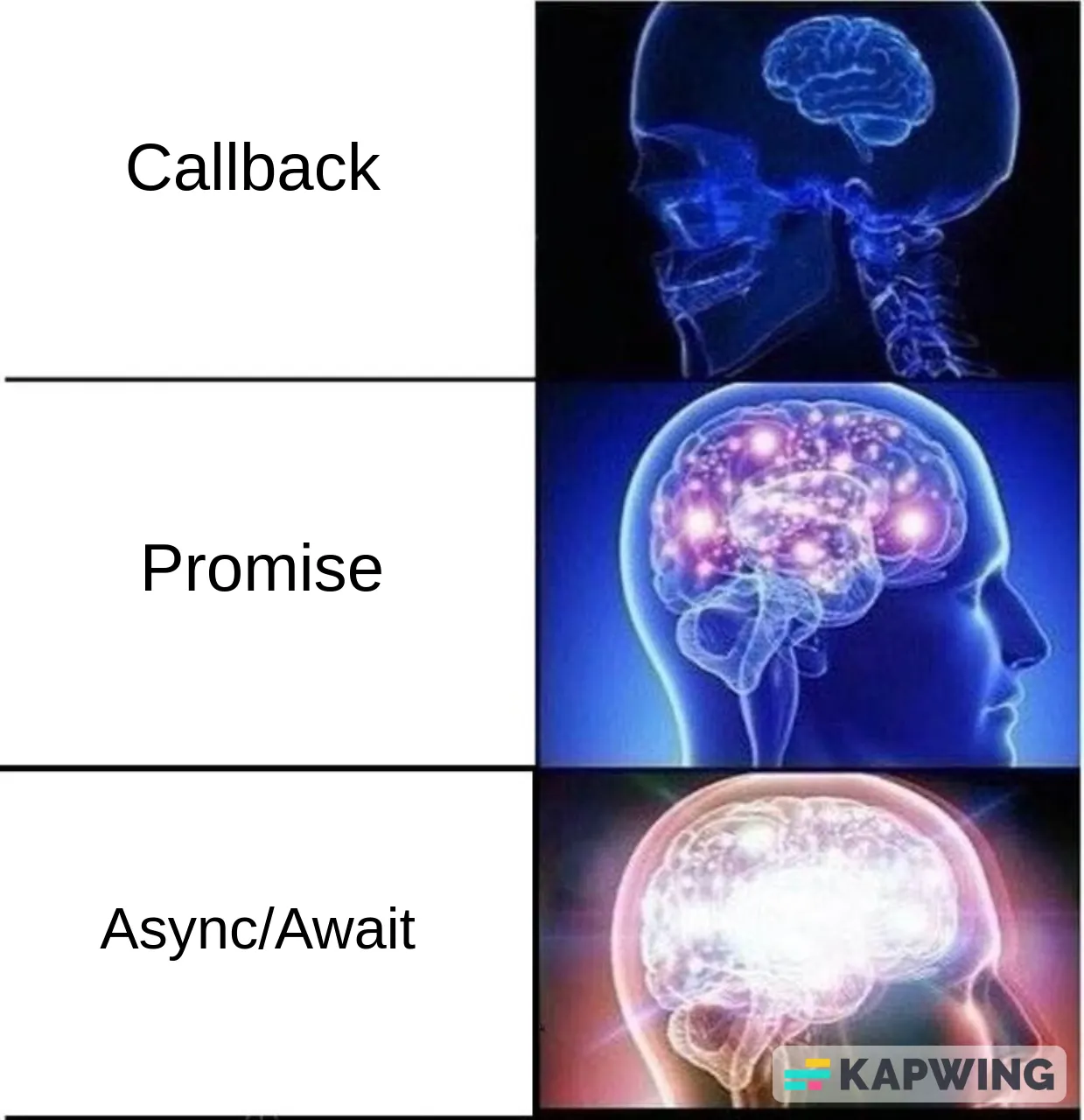
Beskid pushes assembly output without IL handcuffs and compile-time power because we are tired of negotiating with a runtime that updates slower than the language.
6. Abstraction as amnesia
Section titled “6. Abstraction as amnesia”Each layer promises you can forget below. Then production reminds you: GC, thread pools, HTTP/2, and disk still exist. You just debug them with worse symbols.

Giants or ladders?
Section titled “Giants or ladders?”Shoulders of giants implies visibility. Abstraction towers imply fog.
Beskid isn’t anti-abstraction, it’s anti-unpaid abstraction: layers you did not choose, cannot see in the binary, and cannot remove when the business rule is simple but the stack is not.